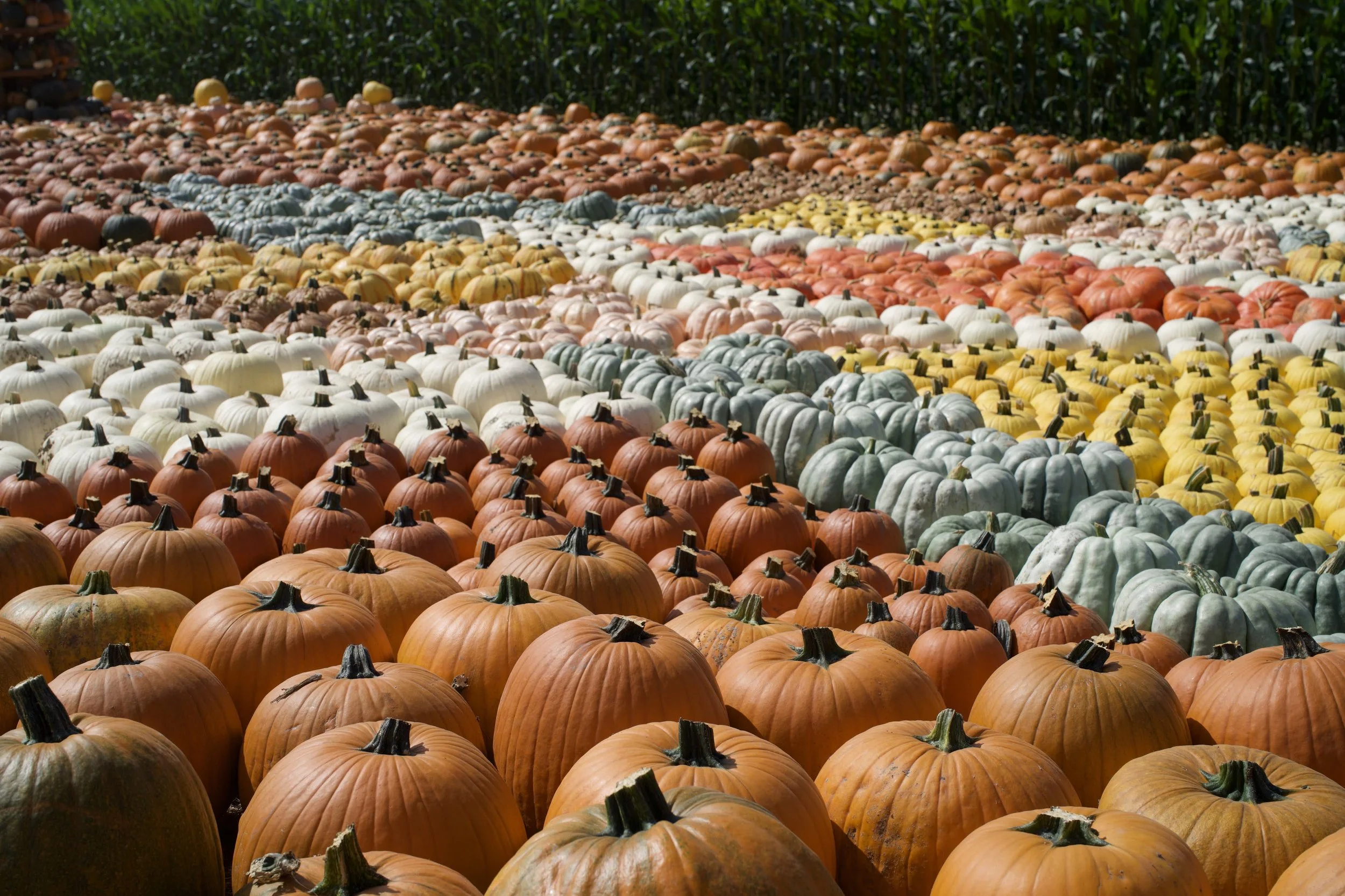
Fall in the Pacific Northwest means one thing above all else: the harvest is in full swing. From orchard fruit dropping heavy on the branch to chanterelles pushing up through the forest floor after the first rains, this is the season our region does best. Below is a running guide to what's in season and when, plus a few ideas for what to actually do with it all — soups worth freezing, a weeknight sheet-pan dinner, and some budget-friendly ways to enjoy the season without spending a fortune.
HARVEST
Fall Whimsy
Roast everything
Squash, brussels sprouts, or root veggies with olive oil, salt, and a little maple syrup, roasted until the edges caramelize.
Make a big pot of something
Butternut squash soup: roasted squash, sautéed onion and garlic, broth, blended smooth with a splash of cream.on sustainable results built on smart strategy and real insight.
Warm up your drinks
Mulled apple cider on the stove cider, cinnamon sticks, cloves, a few orange slices, simmered low.
Proven Process, Flexible Execution
We bring structure where it counts and adaptability where it matters. Our methods are clear, but always responsive.
What’s In Season
-
Description text goes here
-
Winter Squash: Delicata, kabocha, acorn, butternut, spaghetti and Hubbard
Sugar Pie Pumpkins: Small, sweet pumpkins made for roasting and baking
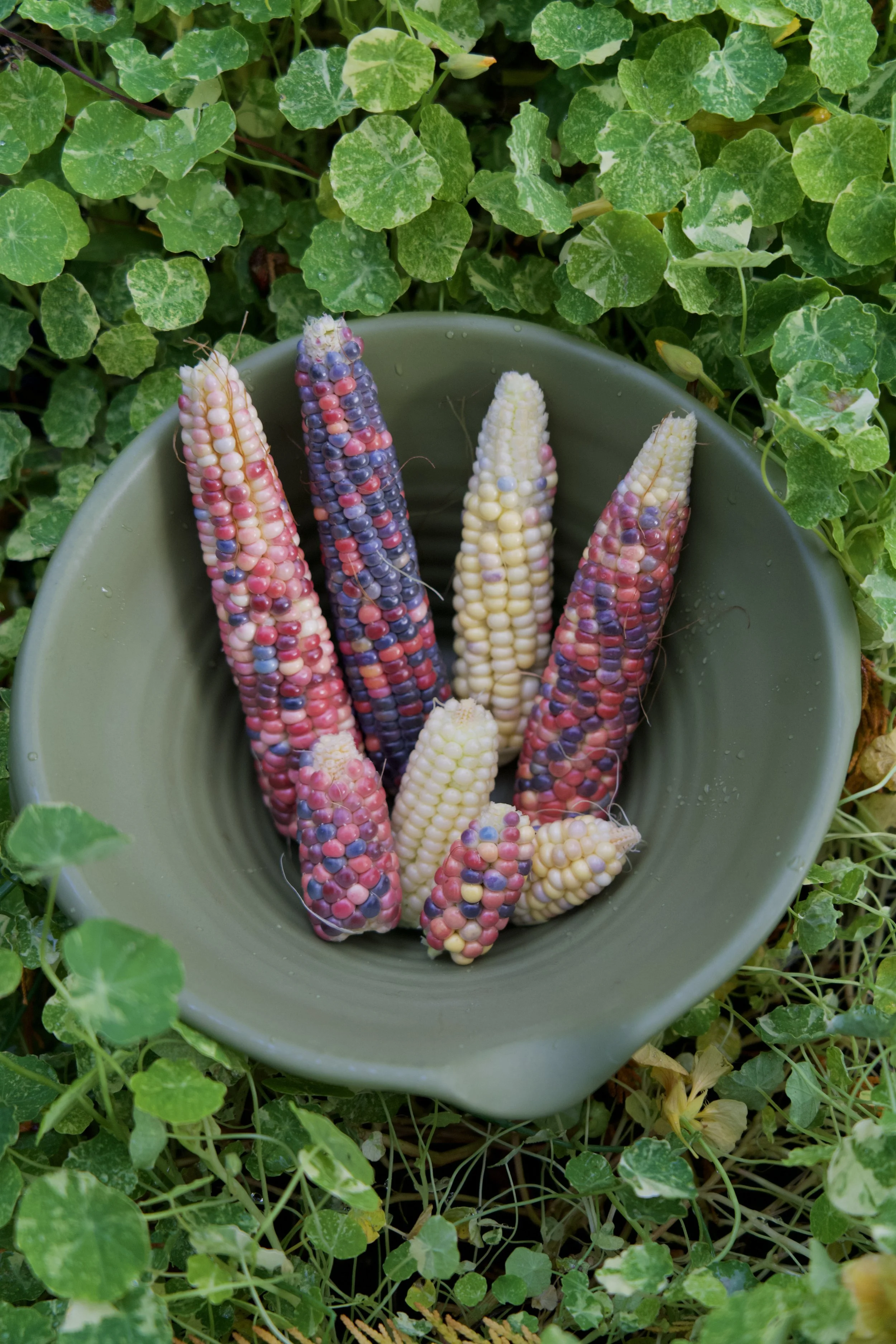
Corn: A final taste of summer during the first weeks of September
Heirloom Tomatoes: Last call before the cool weather settles in -
Tuscan Kale: Dark, sturdy greens that thrive in cool weather
Swiss Chard: Colorful stems and tender leaves
Brussels Sprouts: Often sweeter after the first cold nights
Cauliflower: Abundant at markets through October
Hardy Greens: Kale, collards and other cold-weather leaves that continue into November -
Blackberries: The last wild and cultivated berries of the season
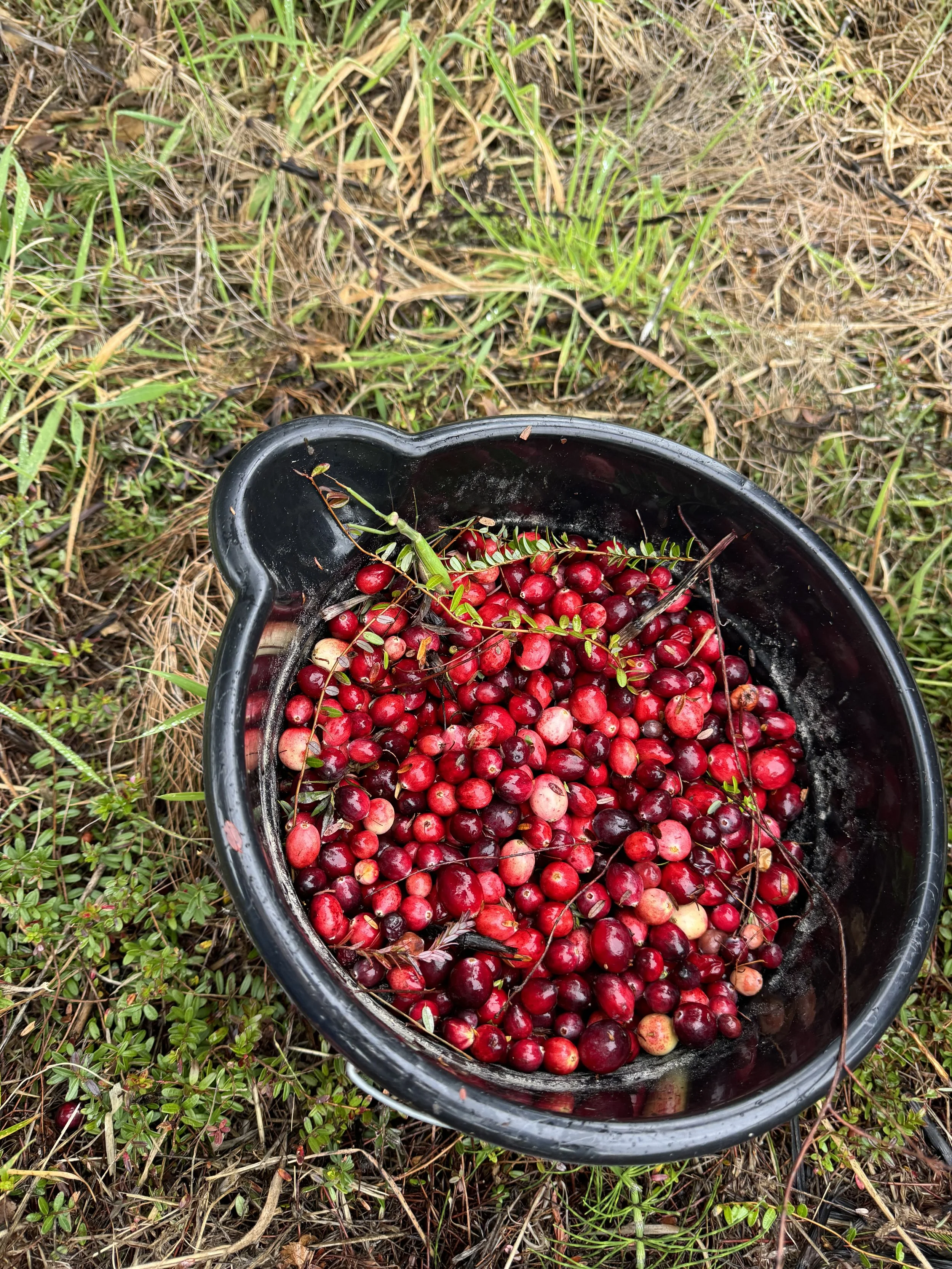
Cranberries: Fresh from the coastal bogs of Grayland and Long Beach
Concord Grapes: Deeply fragrant and available for only a short stretch in October -
Carrots: Sweetened by the cooler weather
Parsnips: Earthy, pale and perfect for roasting
Rutabagas: A sturdy root vegetable for soups, mashes and winter meals
Potatoes: Newly dug and ready for comforting fall cooking
Celeriac: Knobby, mild and especially good in purées and soups
Leeks: A softer, sweeter member of the onion family -
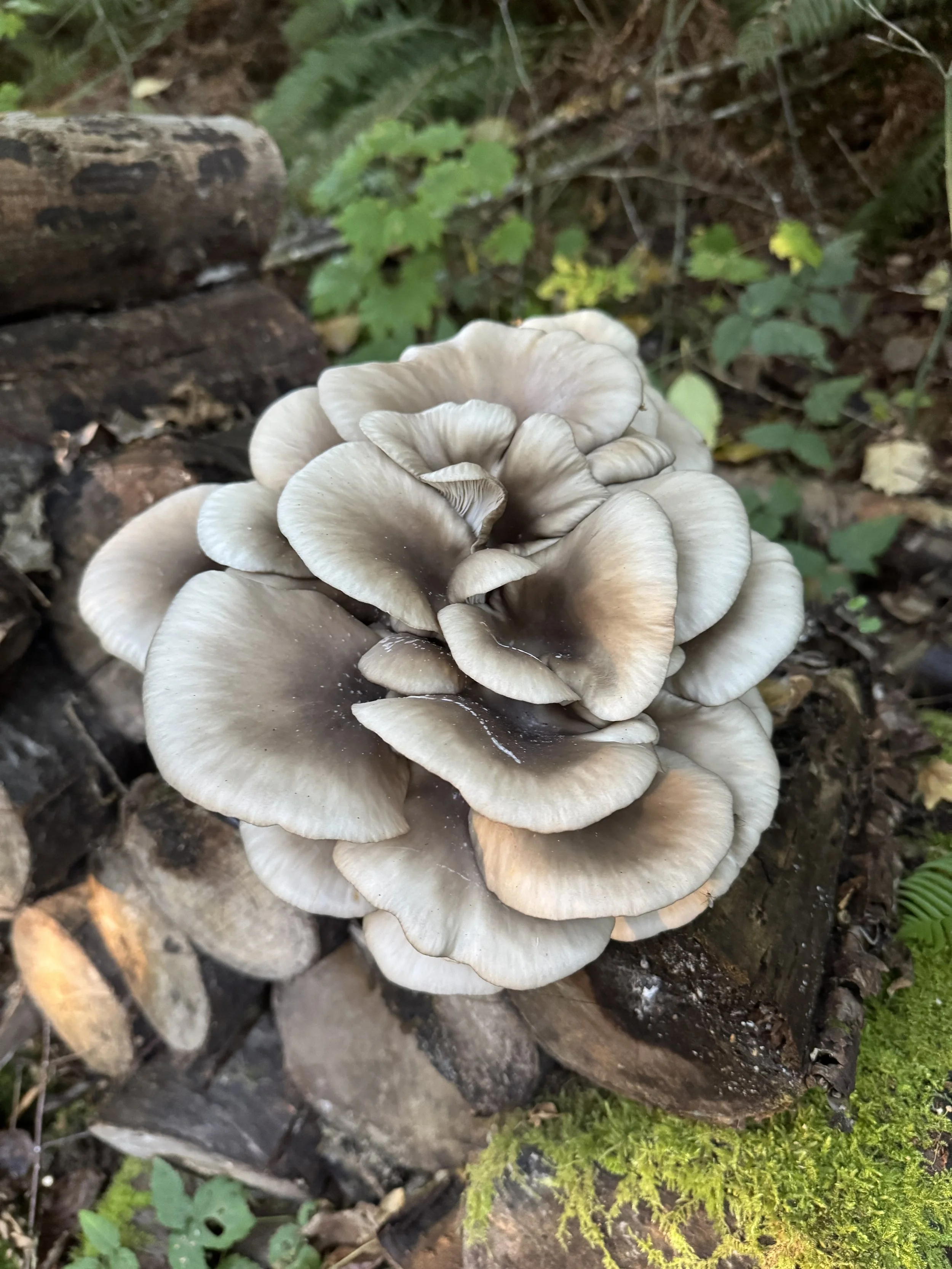
Chanterelles: Beginning after the first good rains and peaking in October
Hazelnuts: Fresh Oregon filberts arriving at markets in mid-fall
The Harvest, Month by Month
September
Corn
Heirloom tomatoes
Plums and Italian prunes
Gravenstein and Gala apples
Pears
Late-season blackberries
Green beans
Peppers
The first chanterelles
October
Delicata, kabocha, acorn and butternut squash
Honeycrisp, Jonagold and Braeburn apples
Fresh cranberries
Brussels sprouts
Leeks
Cauliflower
Concord grapes
Quince
Peak-season chanterelles
Fresh Oregon hazelnuts
November
Kale and hardy greens
Celeriac
Parsnips
Rutabagas
Bosc and Comice pears
The final winter squash
Cranberries through Thanksgiving
Fresh hazelnuts
Early citrus arriving from Oregon and California
A Week of Fall Meal Ideas

RECIPE
The Day I Built a Meal Entirely From the Farmers Market
6 Things I Learned at WSU Extension Green School to Know This Fall
01
Fall leaves are free mulch.
Instead of thinking of every fallen leaf as yard waste, I learned to see them as something useful. Leaves can protect soil through winter, help suppress weeds and eventually add organic matter back into the garden.
02
Plants notice fall before we do.
Shorter days in late summer and early fall actually trigger plants to begin preparing for dormancy. It isn’t just colder weather causing everything to slow down.
03
The lowest part of your yard will probably get frost first.
Cold air sinks and collects in low areas, creating little “frost pockets.” It made me realize how different the growing conditions can be even within one backyard.
04
Fall is a great time to take care of your soil.
Healthy soil holds water and nutrients better, and compost can improve both sandy and clay-heavy soils. Fall garden prep is really just setting up next year’s garden.
05
Our rainy PNW winters matter when deciding where to grow things.
A garden bed that works beautifully in summer can become waterlogged in winter. If you want to grow winter vegetables here, drainage and raised beds can make a big difference.
06
Fall cleanup doesn't mean cutting everything back.
Timing matters with pruning, and some plants are better left alone until they’re fully dormant. The course made me much less interested in making the garden look perfectly “clean” and more interested in what the plants actually need.
Budget Baddie Tips
U-pick over the grocery store: u-pick apple and pumpkin farms are often cheaper per pound than store produce, plus the outing is free.
DIY your seasonal latte: a homemade pumpkin or maple latte costs a fraction of the coffee shop version, and you still get the cozy mug moment.
Cook big batches, freeze the rest: soups and stews from seasonal produce are cheap to make and freeze well, so one grocery trip covers several meals.
Farmers markets near closing time: vendors often discount produce toward the end of market hours rather than haul it back, worth the later trip.
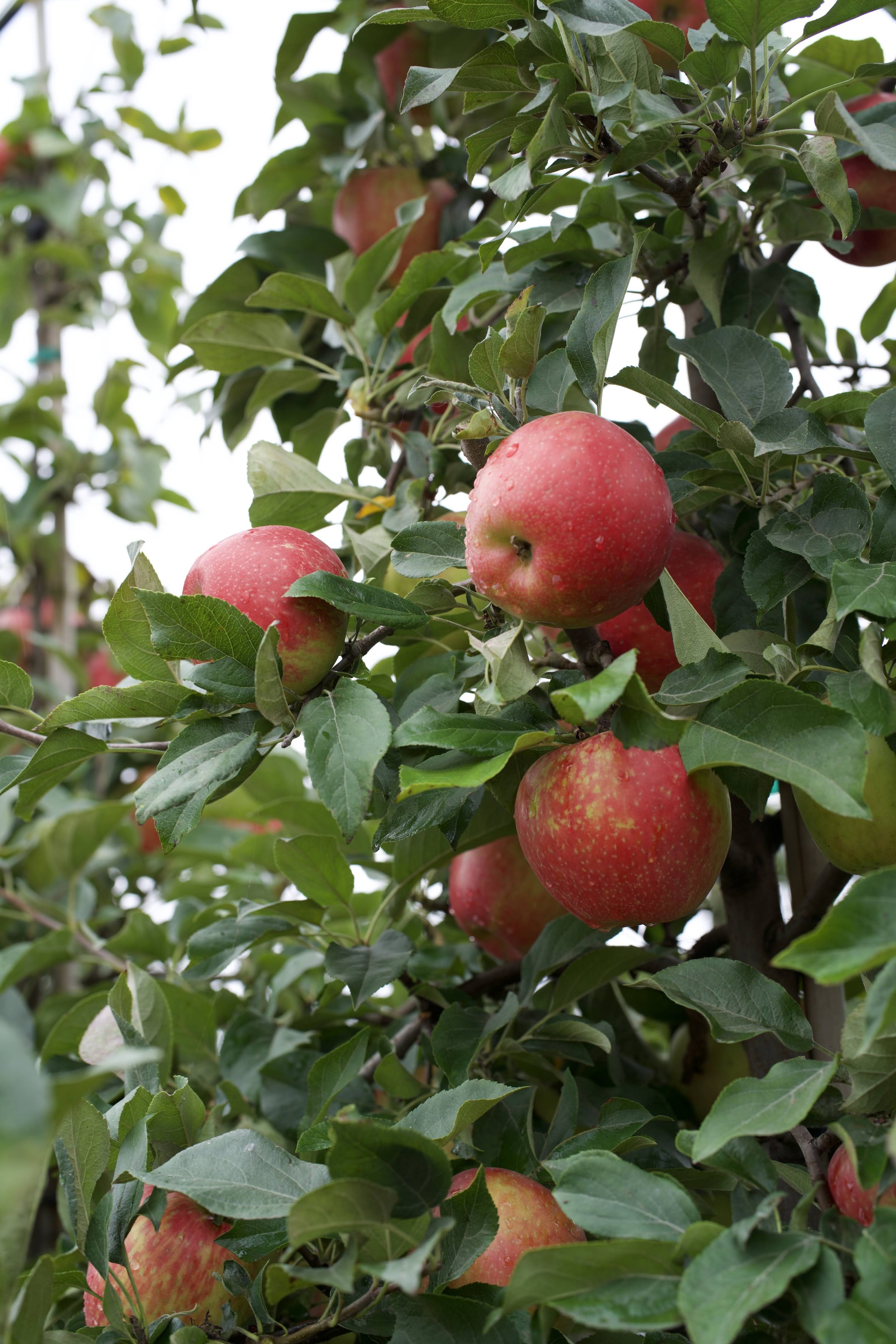
Don’t you think apples are one of the most iconic fruits in the world? Maybe I’m a little biased since I’m from Washington State, AKA the apple capital of the U.S. I grew up on twenty-one acres in the suburbs of Seattle, with at least eight apple trees planted right beside our house. Every late summer and early fall, deer would wander so close to the windows to snack on the fruit that had dropped to the ground, and on those crisp mornings I loved to poke my head out the window to talk to them. The air carried that unmistakable autumn bite, and every so often I’d catch the faint fragrance of roses drifting up from the fallen apples. That’s when I learned apples belong to the rose family and another I realized I might just be a super smeller.
Apples may never win the award for my personal favorite fruit (hello, sapote), but they hold a deep core memory for me. And I definitely enjoy a crisp apple now and then. The good news for me is that apples usually aren’t much of a reflux trigger, especially if I stick with the less acidic varieties.
September is one of my favorite times of year in the Pacific Northwest (PNW). School is back in session, mornings turn crisp, afternoons still warm, and apples hit their stride.
Crisp Facts About Washington Apples
The first apple tree was planted at Fort Vancouver in the 1820s.
The Cascade Mountains split the state in two, with apples thriving east of the Cascades. Yakima, Wenatchee, Chelan, Okanogan, Columbia Basin.
Yakima and Wenatchee became orchard powerhouses thanks to the railroad and irrigation.
Every apple in Washington is hand-picked.
After harvest, apples are stored in cold rooms with reduced oxygen, slowing ripening.
The region’s dry summers and cool nights create ideal growing conditions.
Thanks to this technology, you can enjoy a crisp Washington apple months after it’s picked.
Each year, Washington produces around 10–12 BILLION apples!!!!!
All About Apples
Tiny Traditions
Buy one unusual apple variety every October.
Visit the same farm stand every fall.
Let your kids pick the pumpkin.
Bake something with a neighbor.
Light a candle while making soup.
Weekend Ideas
Buy one unusual apple variety every October.
Visit the same farm stand every fall.
Let your kids pick the pumpkin.
Bake something with a neighbor.
Light a candle while making soup.
Pantry Seasonal staple
This fall I'm stocking:
Apple butter
Pumpkin puree
Maple syrup
Hazelnuts
Cinnamon
Sage
Honey
Dried mushrooms