First Friday Four: April Favorite Finds from the Pacific Northwest
It’s the fourth Friday of the month, and I wanted to share four PNW finds I’m loving this month. It’s all over the map, from good food, cozy places, thoughtful brands, and a reminder that winter landscapes are still worth adventuring to, even when the skies are gray.
First, January in the Pacific Northwest is such a strange in-between time of the year. The holiday sparkle fades almost overnight, and suddenly the winter blues kick in. After nearly my whole life rooted here (it’s been a while), I’ve realized you can either fight, flee, or learn to embrace our damp, cold weather. This year, I’m learning to embrace it, and maybe these fun finds will help you do the same.
One: Carrots
Some people get excited about new blockbuster hits. Some lose it when their sports team wins. Me? I get excited when I find a truly luscious bunch of carrots.
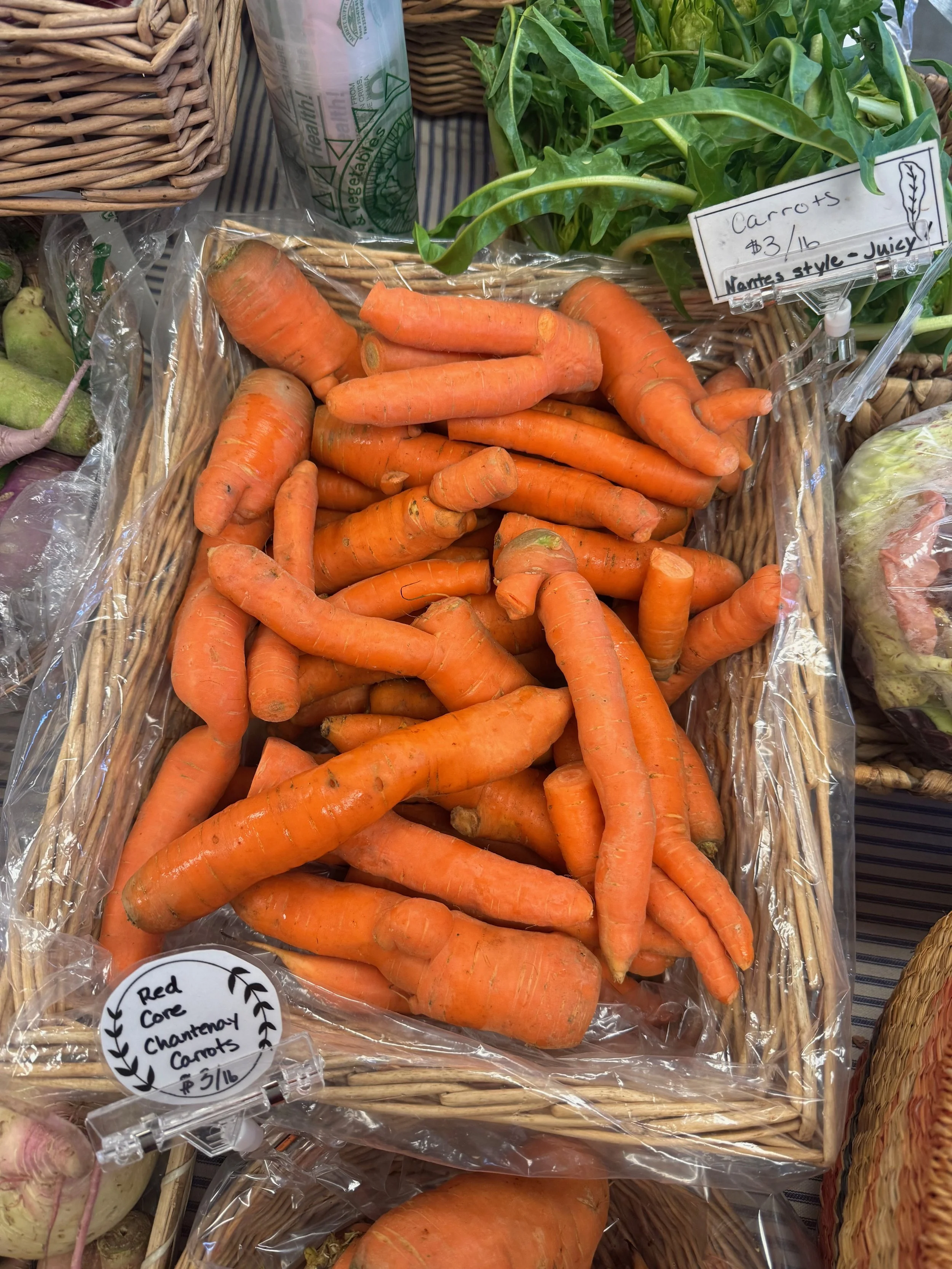
Call me a carrot connoisseur, because I’m obsessed. Something I didn’t see coming. I had no idea carrots would be the highlight of my January, but somewhere between endlessly packing school lunches and simmering winter soups, carrots quietly took over. They’re just so good this time of year, and when I eat them, they do something to my brain that I can’t exactly explain.
It turns out there’s actually very real PNW science behind why carrots are so good this time of year.
Naturally, I went down a bit of a rabbit hole (pun intended) to understand why January carrots in the PNW hit so much better than those other times of year. I knew I’d learned some of the science before, so I started digging through the resources I already had on hand.
Quick disclosure: if you’re a big-time carrot expert and I’ve missed something or gotten anything wrong, please chime in in the comments. I’m here to learn, and not pretend I know everything about root vegetables.
The first place I remember learning about the science of carrots was from Barbara Kingsolver’s book Animal, Vegetable, Miracle. She explains why eating matters seasonally, and it changed me forever. She noted winter-grown carrots are noticeably sweeter, have a better texture, and are more flavorful than fast-grown summer carrots. When carrots are forced to grow quickly, flavor is often sacrificed for speed.
Carrots planted in late summer or early fall have months to grow slowly in the cold soil. As temperatures drop, the starches inside the root convert into sugars. This sweetness peaks after sustained cold temperatures, before the ground freezes. This slow, steady growth is where the Pacific Northwest excels.
Carrots harvested in the winter in the PNW tend to be:
Sweeter
Denser
More aromatic
Less watery than summer carrots
Slow growth, cool temps, loose well-drained soil, and freshness all work in tandem to create a delicious carrot. It’s funny because to me, it feels like the same conditions making January feel quiet and slow are the exact conditions that make carrots taste so good.
I’m currently enrolled in the Washington State Gardening extension program through WSU, and we’ve covered some additional carrot facts that feel useful to Washington State growers:
Carrots are a classic cool-season root crop
They are a dependable choice for spring, fall, and even winter in milder areas in our state.
Carrots are best when direct-seeded, not transplanted.
They are a low-fuss crop that just needs patience and thinning.
One more interesting tidbit: carrot seeds have a relatively short shelf life, about three years under proper conditions. Fresher seeds tend to germinate better, especially in cooler soil where germination is slower.
All of this makes carrots a great crop for PNW home gardeners and a standout winter vegetable.
A few of my local favorites:
Ralph’s Greenhouse
We have the dependable Ralph’s Greenhouse. I usually find their carrots at PCC or the Skagit Valley Co-Op. These Skagit Valley carrots are earthy, sweet, and have an unmistakably fragrant carrot-like scent.
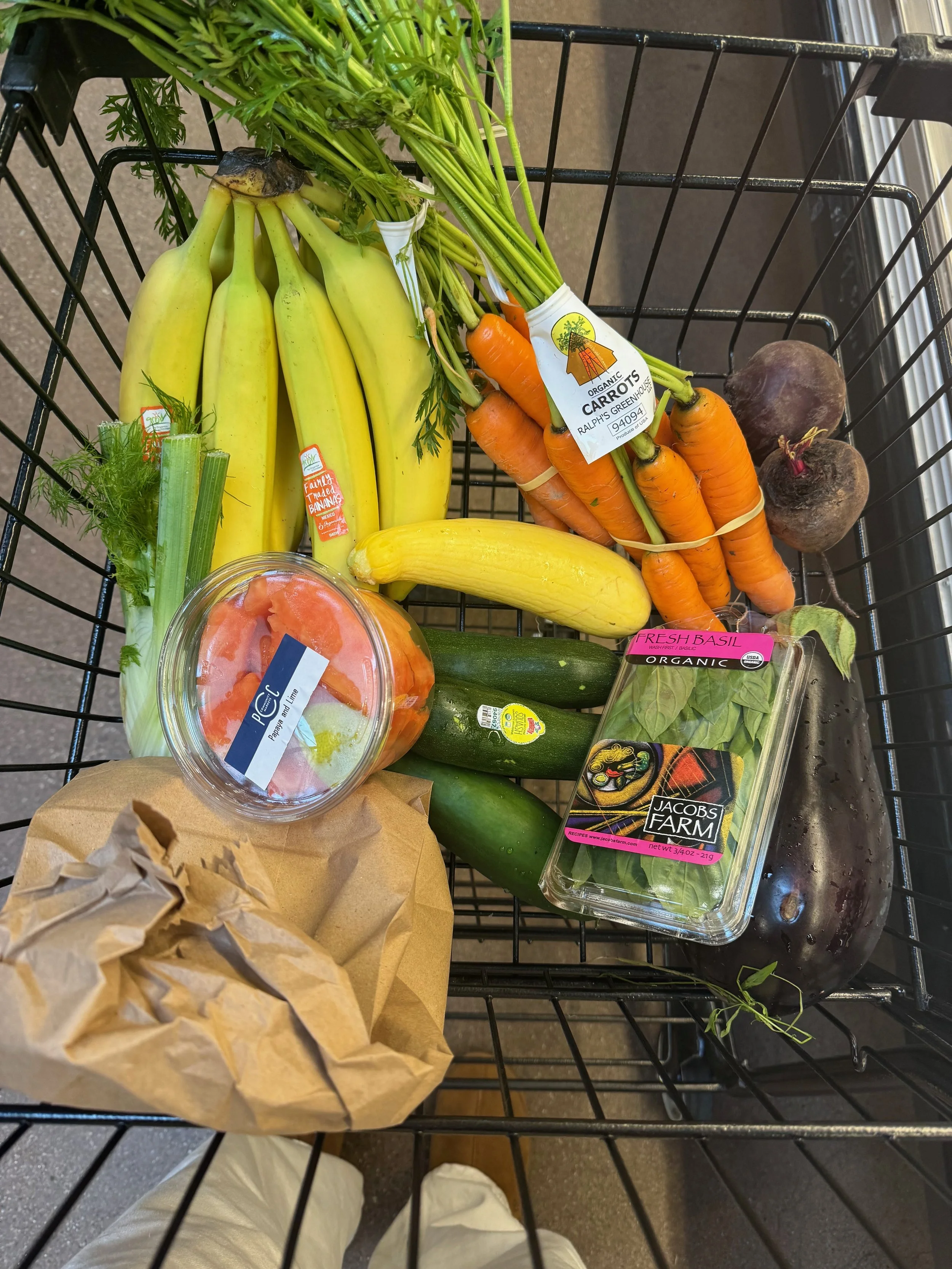
While researching where the best carrots are grown, I found that the Netherlands is considered the best place in the world to grow them. This makes sense since Ralph’s family is Dutch. From what I’ve gathered, his parents moved here in the 1950s and have been in agriculture ever since. The farm is certified organic and does not use herbicides or pesticides.
Ralph himself has since passed, but his name lives on through his incredible produce, which feeds people across the Pacific Northwest.
Local Roots
This might be a hyperlocal for me, but it's another favorite worth checking out, especially if you're like me and care about eating delicious carrots. Local Roots grows and carries one of my favorite varieties, the Chantenay. These carrots are shorter and stouter than the long, uniform ones you’re used to seeing in the grocery store. They have a higher sugar content, making them noticeably sweeter, almost candy sweet, with the satisfying “carrot-y” flavor.
Local Roots is a specialty farm shop in Duvall, Washington. It’s stocked with produce from their own farm and other farms, along with a thoughtful selection of local goods. In addition, they carry a curated selection from around the world, particularly Italy. It’s a great place to gather ingredients and inspiration.
Carnation Farmstand
Another local farm stand to me, but truly a gem. I’ve gathered so many good carrots here over the years. It’s a fun stop with beautiful seasonal produce and lots of local goods that always seem to make their way into my basket.
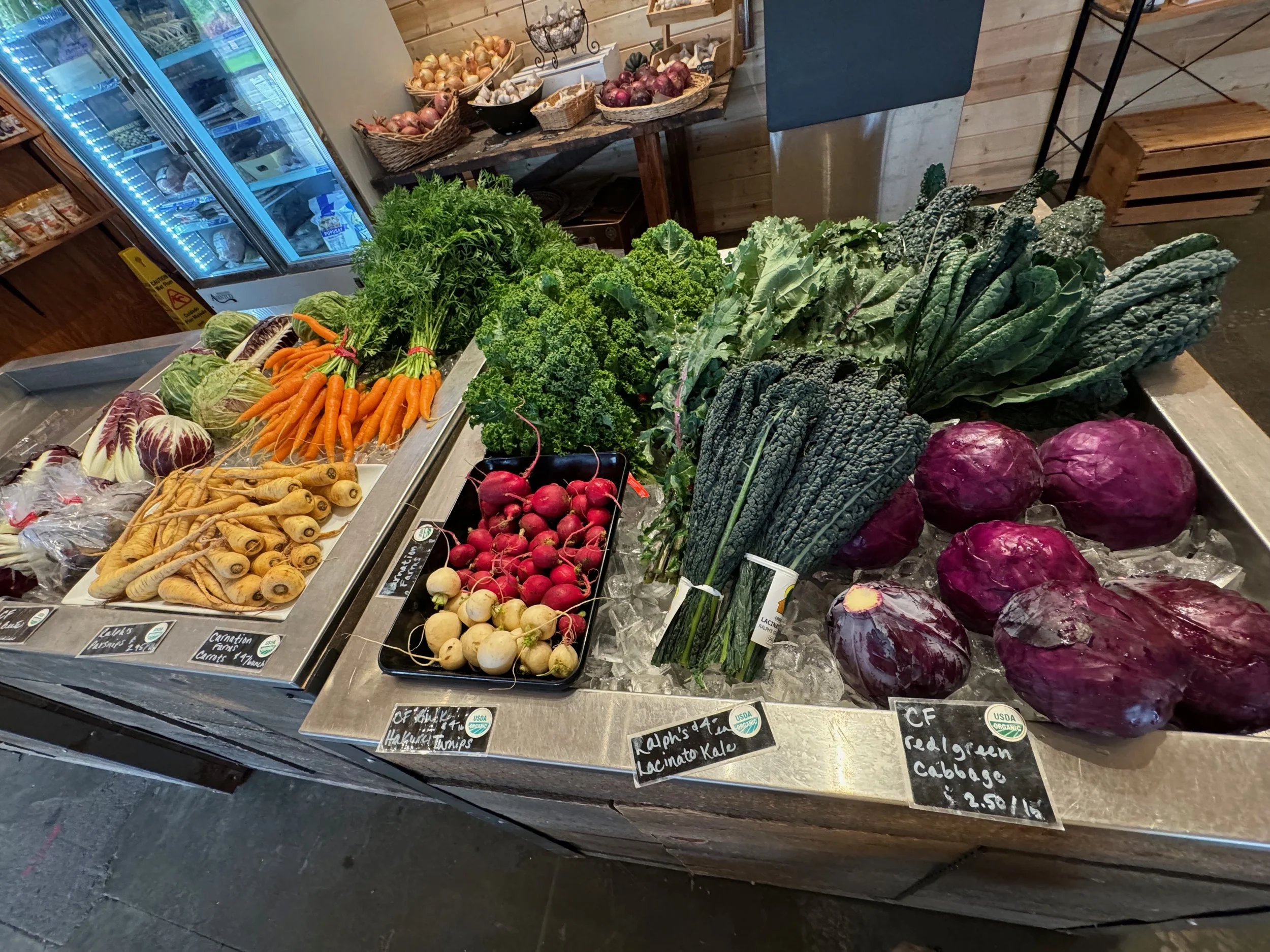
I don’t think you can go wrong with any PNW-grown carrot in winter… unless maybe I grew them. Here is my challenge to you: get out there, find the carrot farmer closest to you, and support them. Winter carrots are totally worth the effort.
Two: Aroma Coffee (Fall City, WA)
Most people know this as the “Treehouse” coffee shop. And did you see the cute dress on that skeleton this year during Halloween? Iconic.
Aroma is a women-owned, community-rooted, cozy coffee shop that feels like a pillar of Fall City. It’s the kind of place where locals linger, people work, and kids explore. If you don’t live nearby, consider making it a destination and call it an adventure.
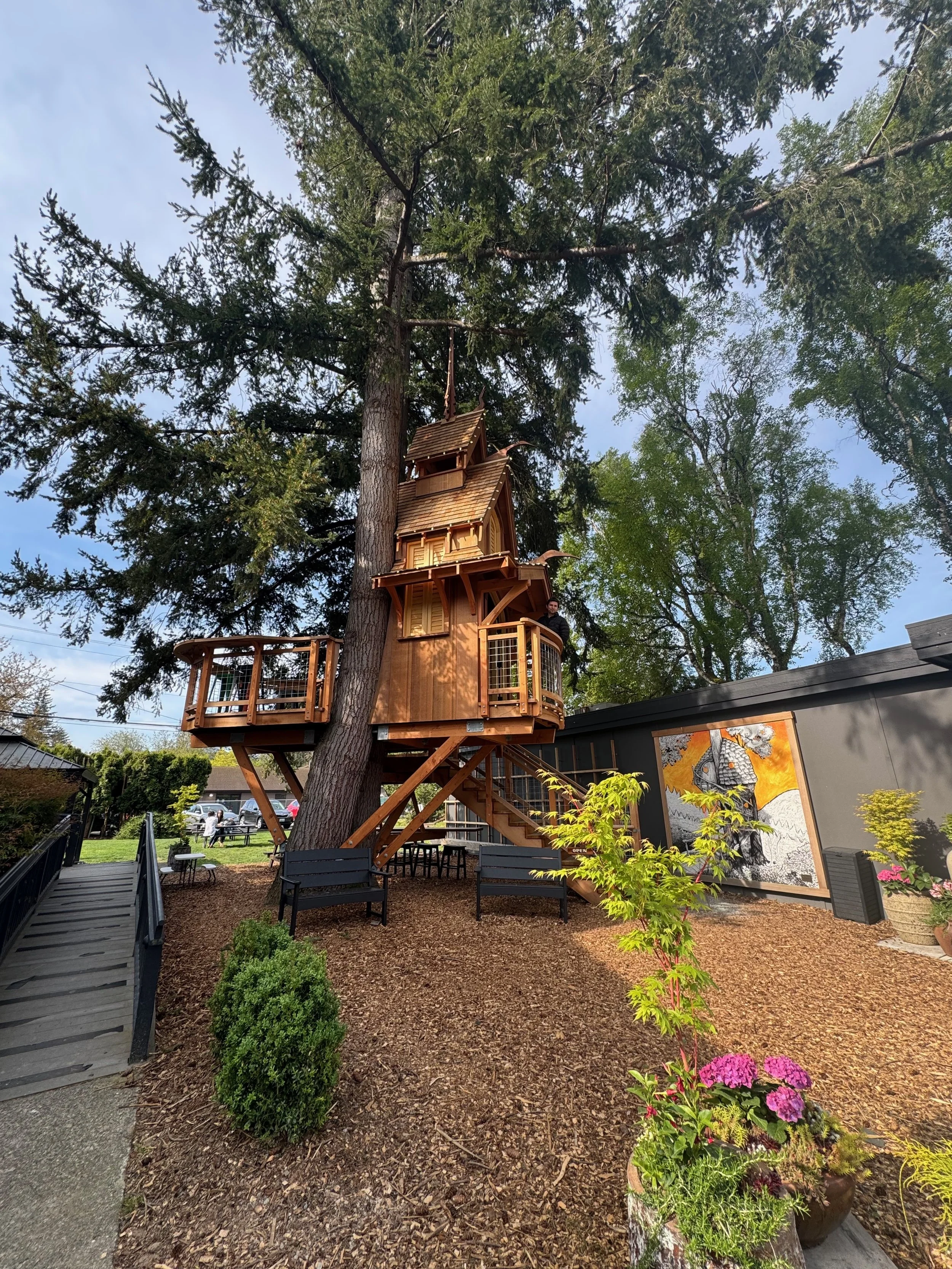
You’ll find me upstairs in the adult-only area, trying to get work done in the mornings after school drop-off, or on weekends, posted up outside while my kid plays in the treehouse or tiny playhouse.
Friday nights are especially fun. During the summer, the Fall City Farmers Market is held there, featuring beautiful flowers, fresh local produce, handmade goods, a beer garden, and a few food trucks.
My go-to drinks are matcha lattes or blueberry hibiscus iced tea. Always check out the seasonal menu.
Three: Moon Valley Organics
I don’t know about you, but for me, winter can be brutal on my hands. Between the constant cold and my slightly obsessive hand-washing tendencies to avoid whatever plague my kid brings home from school, my hands are always fighting for their lives.
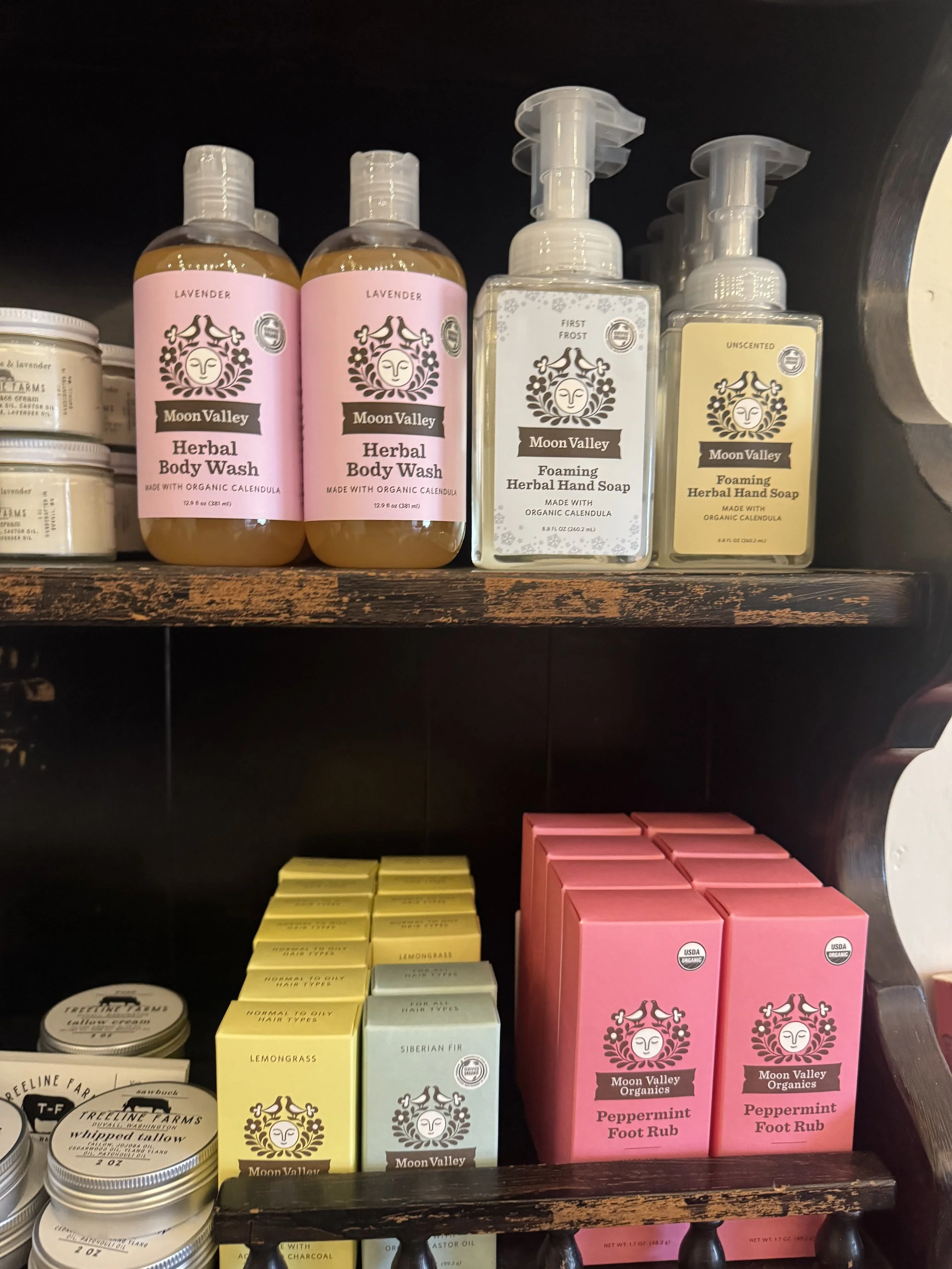
Enter Moon Valley Organics, a family-run company based in Deming, Washington. Around since the late 90s, growing herbs and making simple organic body care from their own farm and other nearby organic farmers, herbalists, and beekeepers. They offer a solid lineup of herbal lotion bars, hair care, body wash, and beeswax lip balms. Basically, they make everyday skincare you actually use.
Their herbal foaming hand soaps are my favorite. They feel gentle, clean well, and smell like plants, not some aggressively scented chemical situation. They’re rooted in organic farming and made in Washington. The foaming hand soap has become part of our daily routine.
We usually stick with the unscented option because I am a bloodhound for smells, but I can tolerate (and even enjoy) their seasonal scents in the powder room. These also make incredible hostess gifts.
Our favorite hand soaps by season:
Spring: Lemon Rosemary
Summer: Grapefruit Thyme
Fall: Orange Spice
Winter: Siberian Fir
Four: Palouse Falls
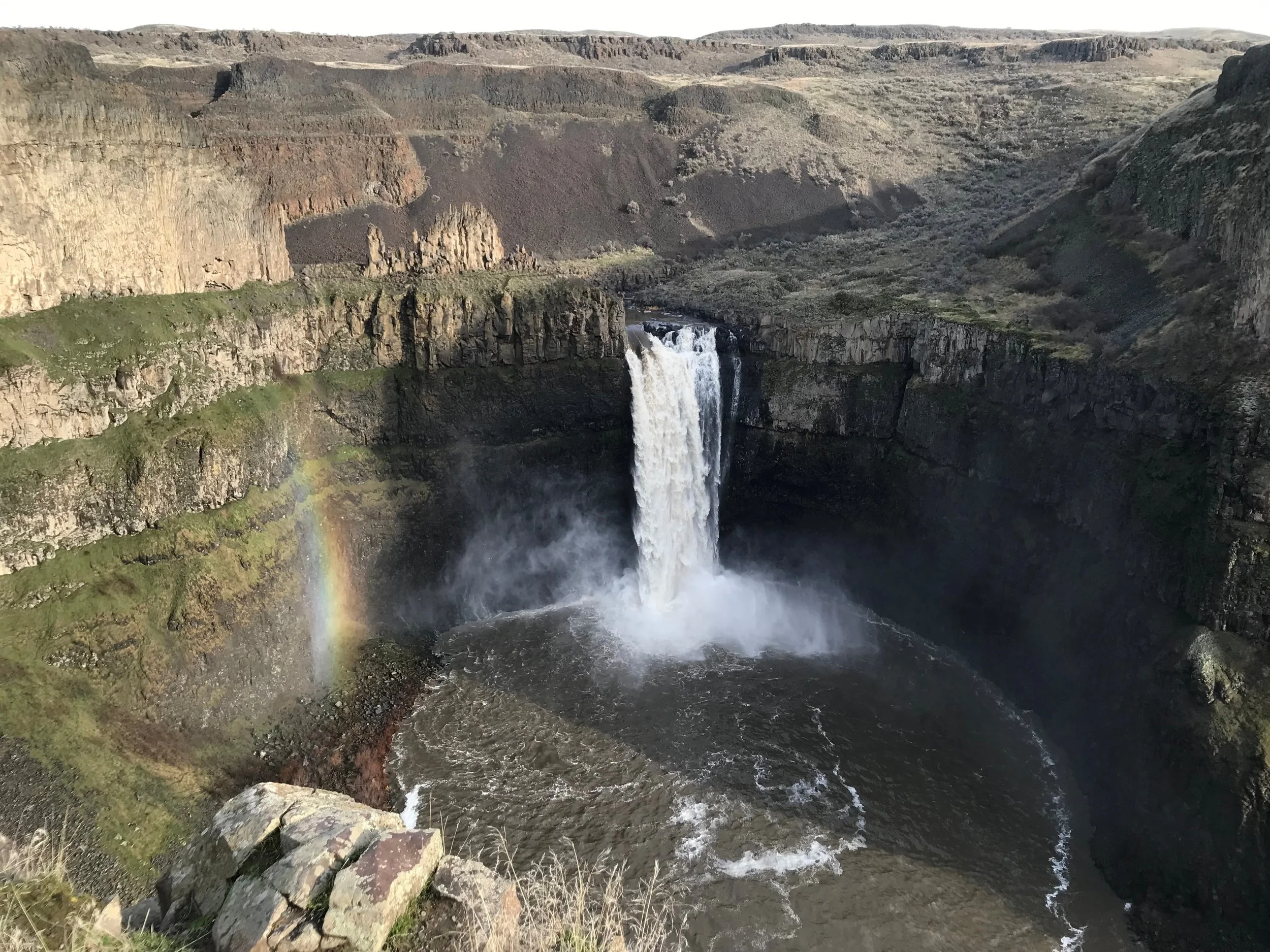
Palouse Falls might be an unexpected early spring destination, but it’s a great time to experience this stunning 200-foot waterfall. My argument for this time of year is simple: summers are hot, and this state park can be crowded. All trails into the canyon base are now permanently closed, regardless of the season. There were too many falls and accidental injuries, which now makes me relieved I never went down.
Located in the southeastern Washington scablands landscape, this isn’t your typical mossy, rainy Pacific Northwest. Eastern Washington is a completely different biome, dry, wide, and desert-like. I love bringing out-of-town friends and family when I want to surprise them and show them that the PNW doesn’t just look like a scene from Twilight.
Palouse Falls is one of the most iconic examples of geology in action. This was shaped in an instant rather than by slow, gradual geological change. I’m not sure if anyone else notices this, but whenever I’m over here, I wonder how much basalt lies beneath Eastern Washington. The scablands, carved by a catastrophic Ice Age flood, stripped away soil and vegetation. All that was left behind were exposed basalt bedrock, dark columnar steep cliffs and canyons, deep channels and coulees, and one of the largest flood basalt landscapes on the planet.
Eastern Washington this time of year can still be very cold, with daytime highs typically between 35 and 45°F. Even in spring, sun exposure can be intense. It’s often windy and sometimes icy, but typically it’s much sunnier than Western Washington. At times, you can see the cliffs dusted with snow, which is a stark contrast to the rocks. Late afternoon is especially magical if you catch the sun on the cliff.
The walk to the main overlook is short and accessible, with nearby viewpoints offering slightly different perspectives.
Before you go:
Check the road for weather conditions, bring water and snacks, and make sure to leave no trace.
If you’re leaning into winter too, I hope one of these finds makes your month feel a little bit better or inspires you to notice what’s carrying you through right now.
-Mel